

In Less Than 100 Days, Latino Voters Could Make History
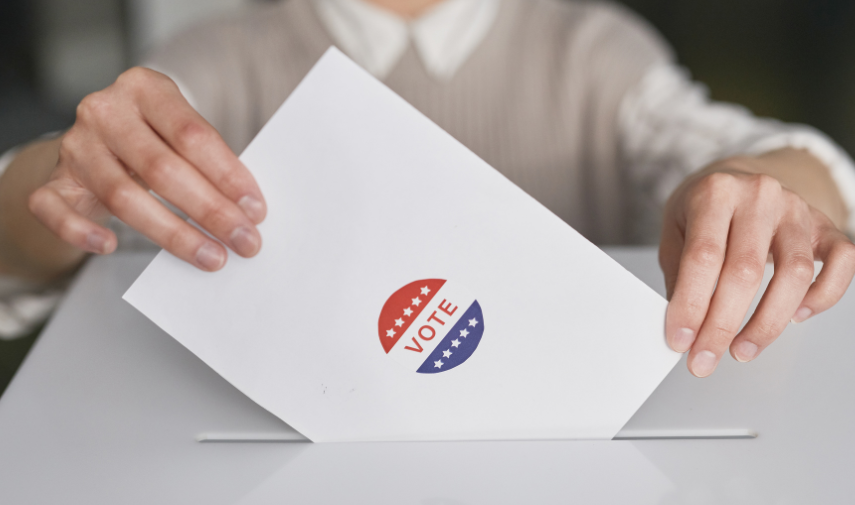
The countdown has begun.
With fewer than 100 days until the November 3 elections, the United States is entering the stage where politics is no longer just background noise. It begins to affect household budgets, family conversations, and discussions in the workplace.
This will not be a presidential election, but it will serve as a referendum on the direction of the country.
Control of Congress, state governments, and thousands of local offices will be on the ballot. The elections will also test President Donald Trump’s ability to maintain political support during the second half of his term.
The challenge for the White House is clear.
President Trump enters the final stretch with weak approval ratings.
A survey conducted by The Economist/YouGov between July 17 and July 20 found that his approval rating stood at 40%, while 58% of respondents disapproved of his performance.
Public dissatisfaction extends to his handling of immigration, the conflict with Iran, the use of presidential authority, and the broader perception that the country is headed in the wrong direction.
But the greatest source of frustration is the economy.
When it comes to economic issues, voters do not cast ballots based on political speeches. They vote based on what they pay at the grocery store, their rent or mortgage, and the cost of filling up their gas tank.
Annual inflation reached 3.5% in June. Food prices increased by 3%, while gasoline prices rose 26.7% compared with the previous year.
For millions of families, those numbers mean less money available at the end of the month and greater financial uncertainty.
And when most Americans feel their economic situation is getting worse, the party in power often pays the political price.
That is where the Latino vote becomes especially important.
According to the Pew Research Center, approximately 36.2 million Latinos were eligible to vote in 2024, representing about 15% of the national electorate. That voting bloc has the potential to decide close races across the country.
But demographic strength alone is not enough.
Political influence only matters when it translates into voter participation.
It is not enough for political parties to speak to Latino communities during campaign season, advertise in Spanish, or promise to listen to their priorities.
Real influence comes from registering to vote, making sure voter information is accurate, knowing the registration and voting deadlines, and casting a ballot.
On November 3, voters will decide more than who controls Washington.
They will also help determine who will shape policies affecting Latino communities on issues such as wages, healthcare, education, immigration, housing, and public safety.
There is still enough time to get informed and get involved.
But there is very little time left to believe that politics is someone else's responsibility.
Democracy does not reward those who only complain—it listens to those who participate.