

Is Spanish Being Lost in the United States?
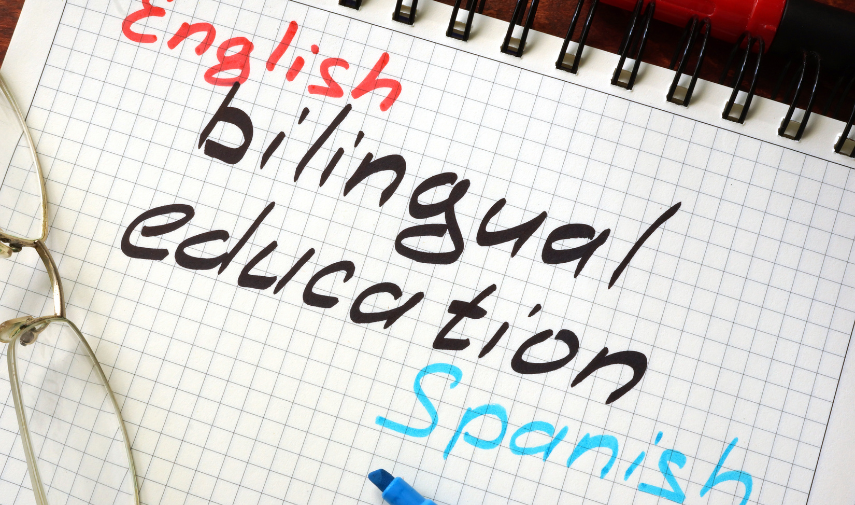
There is an uncomfortable but important question we should ask ourselves honestly: Are Hispanics gradually abandoning Spanish in the United States?
The answer is not simple. This is not about blaming anyone or measuring who is “more Hispanic” based on the language they speak.
Life in the United States naturally pushes people toward English.
It is the language of school, work, government services, politics, and public life. For many children and grandchildren of immigrants, English is not a choice—it is simply the language they grow up speaking.
But something is happening.
According to the Pew Research Center, while 75% of Hispanics say they can speak and understand Spanish, that figure drops to 55% among Latinos born in the United States.
Among third-generation Hispanics, the number falls even further: only 34% say they can communicate in Spanish.
This is more than just a statistic. It is a sign of a profound cultural shift.
The gradual loss of Spanish carries cultural, social, political, and even media-related consequences.
It affects how families communicate across generations. It shapes how young people connect with their heritage and understand their roots.
Of course, speaking English is essential for success in the United States. There is no denying that.
English opens doors to education, employment, public services, civic participation, and everyday life. For any Latino living in this country, mastering English is not a betrayal of their heritage—it is a tool for opportunity and advancement.
The problem is not learning English.
The problem is losing Spanish along the way.
Here are three ways families can encourage the daily use of Spanish:
1. Speak Spanish at home every day.
Even simple moments matter—during meals, when saying goodbye, or while talking about the day. Consistency is more important than perfection.
2. Use books, songs, movies, and games from your country of origin.
This helps make the language feel alive, enjoyable, and connected to culture rather than like another school assignment.
3. Maintain connections with family and the community.
Regular calls with grandparents, participation in cultural groups, or friendships with Spanish speakers provide natural opportunities to use the language. Nothing teaches it better than meaningful conversations with loved ones.
The goal should be to embrace bilingualism as an advantage, not a burden.
It is not about choosing between English and Spanish. It is about understanding that our children can belong to both worlds.
Speaking English allows them to thrive in the United States. Speaking Spanish helps them remember where they come from.
Bilingualism enriches our lives, strengthens our communities, and contributes to the economic, cultural, and political vitality of a diverse nation.
Perhaps the real question is not whether Hispanics are losing Spanish.
Perhaps the better question is: What are we willing to do to preserve it?
Because Spanish is a treasure, and no community should allow itself to lose its own voice.