

Will International Tourism in the U.S. Recover With the 2026 World Cup?
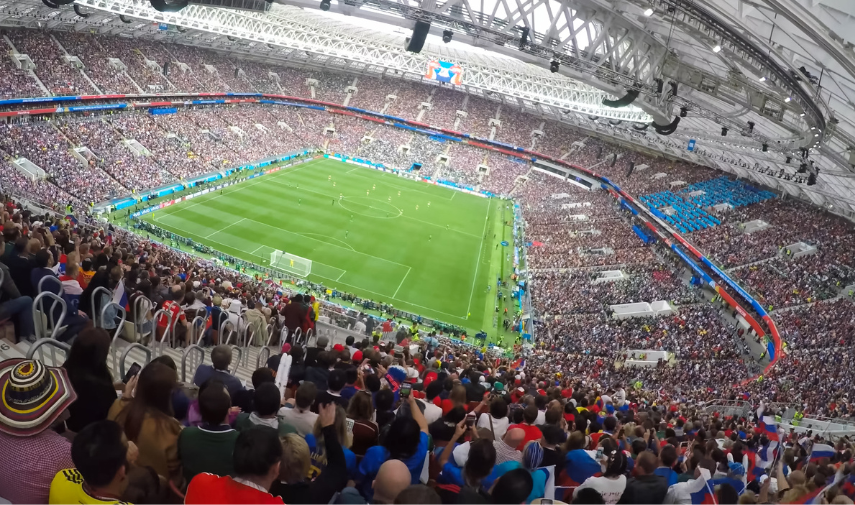
With less than a month remaining before the start of the 2026 FIFA World Cup, taking place from June 11 to July 19 across the United States, Mexico, and Canada, the U.S. travel industry is hoping for a rebound in international tourism after a decline that began in early 2025.
A recent analysis from the U.S. Travel Association (USTA) found that international inbound travel spending in the United States fell by 2.4% in 2025, reaching $175 billion.
One factor contributing to the decline was a sharp drop in visits from Canada, which fell by 21% in volume amid tensions between the United States and Ottawa, particularly over trade tariff policies and comments about making Canada the 51st state.
But travel from Western Europe and Asia, traditionally strong markets for U.S. tourism, also declined.
Western Europe, including countries such as Germany, France, and the Netherlands, as well as Asian markets including China, South Korea, and India, experienced consecutive months of declining travel during the peak summer season of 2025.
“The pace of recovery in international inbound travel remains sensitive to current policies, global sentiment, and geopolitical stability,” the USTA acknowledged.
Other factors that affected international travel included the expansion of immigration-related travel bans.
In June 2025, entry restrictions were implemented for travelers from 12 countries, a list that later expanded to 39 nations.
In addition, a new $250 visa integrity fee was introduced, raising the base cost of a tourist visa to $435.
The association expects that, partly thanks to the 2026 FIFA World Cup, inbound visits to the United States will grow by 3.4% to reach 70.6 million visitors in 2026, driven largely by leisure travel.
The same report projects that international tourism spending in the United States will recover by 1.6%, reaching $178 billion in 2026.
Even so, that figure would still remain 18% below 2019 levels when adjusted for inflation.
Growth is expected to accelerate in 2027 and beyond, but international travel to the United States is not projected to return to 2019 levels, when the country welcomed 79 million visitors, until 2029.
Without question, the strongest support for the U.S. tourism industry has been domestic leisure travel.
After growing by 2.1% in 2025, domestic leisure travel spending is expected to continue expanding, increasing by 0.9% to reach $909 billion in 2026, with faster growth projected for 2027 and the years that follow.
However, growth in 2026 is expected to be affected by rising inflation across travel and other goods and services.
Americans continue to prioritize travel, but spending is increasingly being driven by higher-income households.
Travelers are also expected to choose shorter and more affordable trips, including regional destinations and high-demand locations, in response to rising costs.